
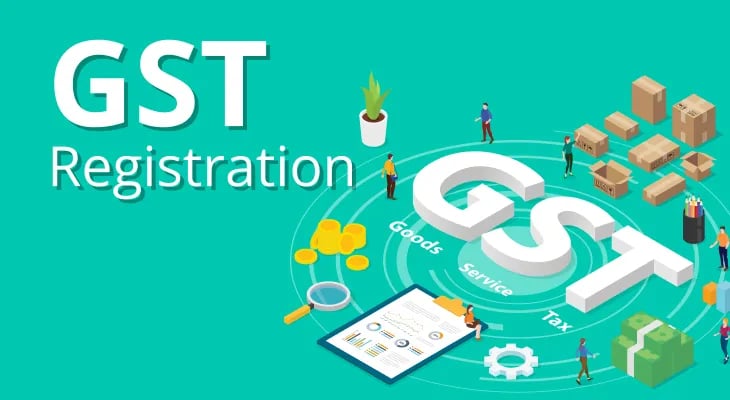
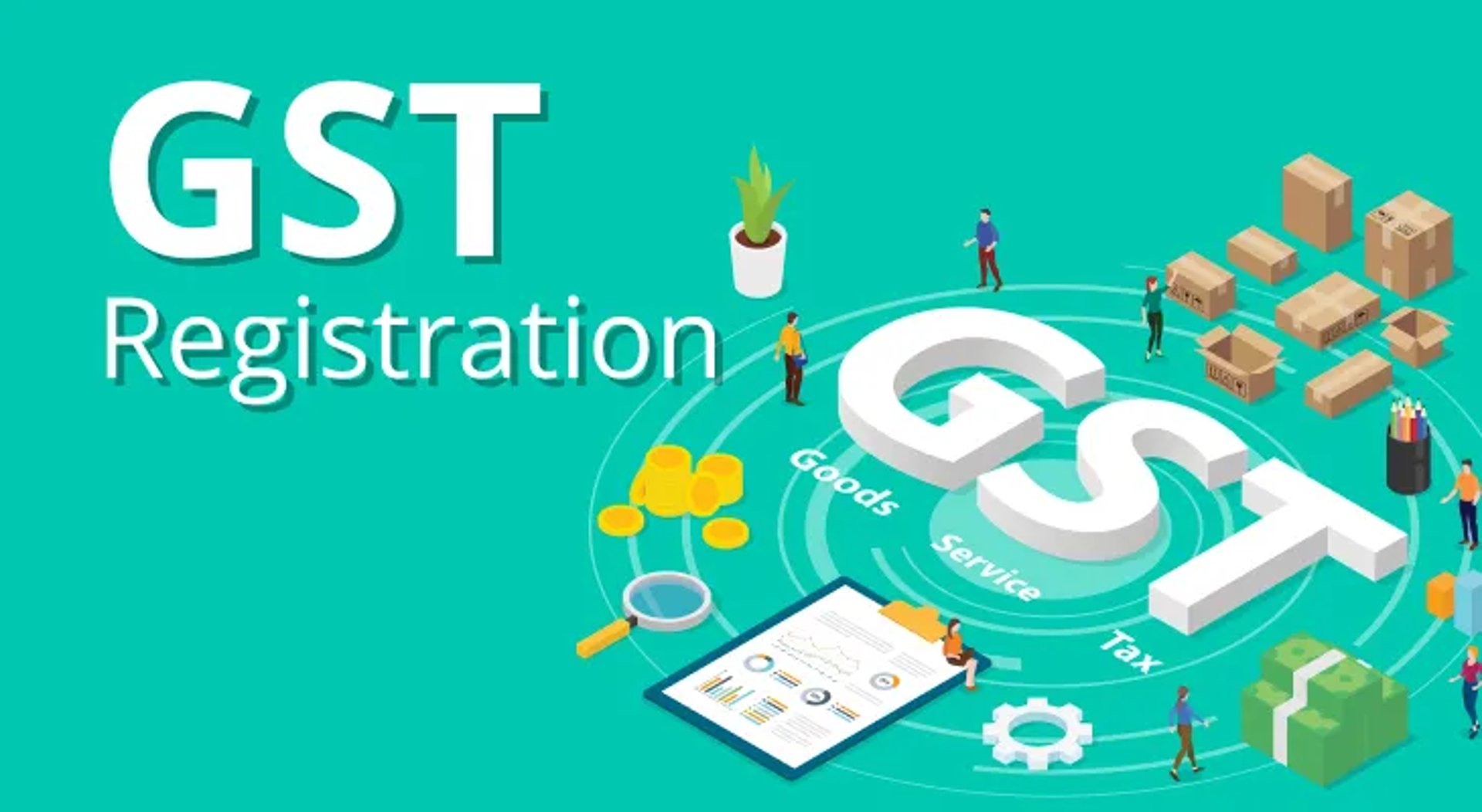
What is GST Registration?
GST (Goods and Services Tax) Registration is a legal process through which a business gets registered under the GST law in India. After registration, the business receives a GSTIN (Goods and Services Tax Identification Number) and becomes authorized to collect GST from customers and claim input tax credit.
GST registration is mandatory for businesses crossing the prescribed turnover limit or involved in certain types of supply.
Who Needs GST Registration?
GST registration is required for:
Businesses with turnover above:
₹40 lakh (goods) – most states
₹20 lakh (services) – most states
Lower limits apply in special category states
E-commerce sellers
Online service providers
Inter-state suppliers
Import/export businesses
Businesses selling on Amazon, Flipkart, Meesho, etc.
Freelancers & consultants (above service limit)
Input Service Distributors
Casual taxable persons
Non-resident taxable persons
Benefits of GST Registration
✔ Legal recognition of your business
✔ Ability to collect GST from customers
✔ Claim Input Tax Credit (ITC)
✔ Sell on e-commerce platforms
✔ Avoid penalties & legal issues
✔ Build business credibility
✔ Easy expansion across India
✔ Required for many tenders & contracts
Documents Required for GST Registration
For Proprietorship
PAN card of owner
Aadhaar card
Business address proof
Bank account proof
Photo of proprietor
Electricity bill / rent agreement / NOC
For Partnership / LLP / Company
PAN of entity
PAN & Aadhaar of partners/directors
Partnership deed / Incorporation certificate
Address proof of business
Bank proof
Authorization letter
Photos of partners/directors
GST Registration Process (Step-by-Step)
Document collection & verification
Application filing on GST portal
ARN (Application Reference Number) generation
GST officer verification
Query response (if any)
GSTIN allotment
GST registration certificate issued
Timeline: Usually 3–7 working days (may vary if queries arise)
Types of GST Registration
Normal Taxpayer Registration
Composition Scheme Registration
Casual Taxable Person
Non-Resident Taxable Person
E-commerce Operator Registration
Input Service Distributor
Composition Scheme (Optional)
Best for small businesses with limited turnover.
Benefits:
Lower tax rate
Simple return filing
Less compliance
Limitations:
Cannot claim input tax credit
Cannot do inter-state sales
Not for e-commerce sellers
Our GST Registration Service Includes
✅ Free eligibility consultation
✅ Document checklist & support
✅ Application filing
✅ Error-free form submission
✅ Query handling with GST department
✅ Fast approval support
✅ GST certificate download
✅ Post-registration guidance
Common Mistakes We Help Avoid
Wrong business category selection
Incorrect address proof
PAN mismatch issues
Bank detail errors
Activity code mistakes
Delayed query response
After GST Registration — Next Compliance
GST return filing (monthly/quarterly)
Invoice format setup
GST billing guidance
Input tax credit tracking
Annual return filing
Get in touch
Address
Mahendra park, Adarsh nagar, Near jahangir puri Metro Station,Delhi-110033
Contacts
+91-9354997073,+91-9354364808
kaimindiadigital@gmail.com
services
Blogs
digital marketing agency in india